Hiit Printable Workout Plan
A Simple Guide to HIIT Printable Workout Plan
Section 1: Getting Clear on the Idea
HIIT Printable Workout Plan sounds very practical because it points to one clear idea. People want a workout they can print, follow, and understand without much extra effort. That is a reasonable goal because fitness feels easier when the plan is visible and straightforward. A simple printable routine can turn exercise from a vague intention into a real action.
This kind of topic usually matters most to people who want efficient workouts that fit into a short schedule. In many cases, the problem is not a lack of motivation alone. The real problem is that people do not always know what to do when it is time to exercise. A printable format helps by giving structure right away.
Another reason this topic is useful is that workouts can feel confusing when there are too many choices. A plan on paper or on a saved page removes some of that pressure. Instead of guessing what comes next, you can simply follow the routine. That small change often makes exercise feel much more manageable.
The best way to think about this topic is to focus on making shorter workouts feel structured, realistic, and easy to repeat. Once you keep that main purpose in mind, the details feel easier to understand. You do not need a complicated system to get value from a workout plan. You usually just need a routine that fits your life and feels easy enough to repeat.
This is why printable workouts remain appealing. They make the process feel more concrete. When something is written down, it often feels more real and more actionable. That simple sense of direction can make a bigger difference than people expect.
Section 2: Why Printable Workouts Are Useful
In real life, a printable workout plan helps by reducing decision fatigue. Many people lose momentum before the workout even starts because they spend too much time deciding what to do. A printed or saved routine gives a starting point immediately. That makes the workout easier to begin, which is often the hardest step.
A second benefit is consistency. When the same plan is easy to see and easy to use, it becomes easier to repeat. Repetition is important in fitness because most results come from regular effort over time. A clear routine helps build that regular effort without making each day feel like a new puzzle.
Another advantage is that printable routines are flexible. You can keep them on a wall, in a folder, on a desk, or near your workout area. That means the plan stays visible instead of getting lost in a phone app or buried in a long video. Visibility may sound small, but it can strongly affect follow through.
Printable plans can also help people stay realistic. A simple written routine reminds you what the session is actually supposed to be. That is useful because many people try to do too much too soon. A clear layout encourages a more steady and controlled approach.
| Aspect | What It Means | Why It Helps |
| Time use | Short sessions reduce barriers to starting | This helps busy people stay active |
| Intensity | The pace may feel high even in a short session | Good control still matters |
| Planning | A clear layout saves time | This keeps the workout focused |
| Recovery | Short does not mean effortless | Rest still matters |
Section 3: Simple Tips for Using the Plan
If you want to get the most out of a printable workout, keep the plan simple. It is better to use a routine that feels clear and repeatable than a routine that looks impressive but rarely gets completed. Simplicity supports consistency. In most cases, consistency matters more than complexity.
It also helps to match the workout to your current condition. A beginner, a busy person, and a more experienced exerciser may all need different things. Printable plans work best when they meet you where you are. That makes the routine feel more realistic and much easier to maintain.
Another practical tip is to treat the printable plan as a tool, not a rule that cannot change. You may need to shorten a session, swap an exercise, or slow the pace on a difficult day. That does not mean the plan failed. It means you are using it in a flexible and sensible way.
- Prepare the workout before the timer starts.
- Choose simple moves that transition smoothly.
- Work hard, but keep form under control.
- Even short routines need warm up and recovery awareness.
- A short workout can still be useful when done consistently.
These ideas matter because many workout plans fail for simple reasons. They are often too long, too intense, or too confusing for everyday use. A more practical routine has a better chance of becoming part of normal life. That is usually the kind of plan that helps most over time.
Section 4: Final Thoughts
Overall, hiit printable workout plan is easiest to understand as a tool for making fitness more organized and less stressful. The real value is not just in the exercises themselves. The real value is in having something clear enough to follow on a regular basis. That clarity can make exercise feel much more doable.
A printable format will not magically create motivation, but it can remove many of the small barriers that get in the way. When the workout is already planned, the next step becomes simpler. That matters because simple routines are often the ones people actually finish. A routine that gets used has more value than a perfect plan that gets ignored.
The smartest approach is usually to pick a plan that feels realistic, readable, and easy to repeat. From there, you can make small adjustments as your needs change. That keeps the process manageable instead of overwhelming. Fitness often improves best when the routine feels sustainable.
So if this topic caught your attention, the main takeaway is straightforward. A printable workout plan is useful because it adds structure, saves mental energy, and helps turn intention into action. When the format is clear and the routine fits your real life, the plan becomes much more than a page. It becomes a practical support system for better habits.
Free Printable Workout Programs
A Simple Guide to Free Printable Workout Programs
Section 1: Getting Clear on the Idea
Free Printable Workout Programs sounds very practical because it points to one clear idea. People want a workout they can print, follow, and understand without much extra effort. That is a reasonable goal because fitness feels easier when the plan is visible and straightforward. A simple printable routine can turn exercise from a vague intention into a real action.
This kind of topic usually matters most to people who want a simple routine they can follow without confusion. In many cases, the problem is not a lack of motivation alone. The real problem is that people do not always know what to do when it is time to exercise. A printable format helps by giving structure right away.
Another reason this topic is useful is that workouts can feel confusing when there are too many choices. A plan on paper or on a saved page removes some of that pressure. Instead of guessing what comes next, you can simply follow the routine. That small change often makes exercise feel much more manageable.
The best way to think about this topic is to focus on how a printable plan can make workouts easier to follow and easier to stick with. Once you keep that main purpose in mind, the details feel easier to understand. You do not need a complicated system to get value from a workout plan. You usually just need a routine that fits your life and feels easy enough to repeat.
This is why printable workouts remain appealing. They make the process feel more concrete. When something is written down, it often feels more real and more actionable. That simple sense of direction can make a bigger difference than people expect.
Section 2: Why Printable Workouts Are Useful
In real life, a printable workout plan helps by reducing decision fatigue. Many people lose momentum before the workout even starts because they spend too much time deciding what to do. A printed or saved routine gives a starting point immediately. That makes the workout easier to begin, which is often the hardest step.
A second benefit is consistency. When the same plan is easy to see and easy to use, it becomes easier to repeat. Repetition is important in fitness because most results come from regular effort over time. A clear routine helps build that regular effort without making each day feel like a new puzzle.
Another advantage is that printable routines are flexible. You can keep them on a wall, in a folder, on a desk, or near your workout area. That means the plan stays visible instead of getting lost in a phone app or buried in a long video. Visibility may sound small, but it can strongly affect follow through.
Printable plans can also help people stay realistic. A simple written routine reminds you what the session is actually supposed to be. That is useful because many people try to do too much too soon. A clear layout encourages a more steady and controlled approach.
| Aspect | What It Means | Why It Helps |
| Clarity | A written plan removes guesswork | It makes action easier |
| Structure | A schedule creates direction | It helps people stay consistent |
| Progress | You can track what you did | This helps you notice improvement |
| Convenience | A printable format is easy to keep nearby | It works well at home or in the gym |
Section 3: Simple Tips for Using the Plan
If you want to get the most out of a printable workout, keep the plan simple. It is better to use a routine that feels clear and repeatable than a routine that looks impressive but rarely gets completed. Simplicity supports consistency. In most cases, consistency matters more than complexity.
It also helps to match the workout to your current condition. A beginner, a busy person, and a more experienced exerciser may all need different things. Printable plans work best when they meet you where you are. That makes the routine feel more realistic and much easier to maintain.
Another practical tip is to treat the printable plan as a tool, not a rule that cannot change. You may need to shorten a session, swap an exercise, or slow the pace on a difficult day. That does not mean the plan failed. It means you are using it in a flexible and sensible way.
- Keep the plan simple enough that you will actually use it.
- Choose a routine that matches your current fitness level.
- Focus on consistency before you worry about intensity.
- Leave room for rest so the routine feels sustainable.
- Use the printable format as a reminder, not just as decoration.
These ideas matter because many workout plans fail for simple reasons. They are often too long, too intense, or too confusing for everyday use. A more practical routine has a better chance of becoming part of normal life. That is usually the kind of plan that helps most over time.
Section 4: Final Thoughts
Overall, free printable workout programs is easiest to understand as a tool for making fitness more organized and less stressful. The real value is not just in the exercises themselves. The real value is in having something clear enough to follow on a regular basis. That clarity can make exercise feel much more doable.
A printable format will not magically create motivation, but it can remove many of the small barriers that get in the way. When the workout is already planned, the next step becomes simpler. That matters because simple routines are often the ones people actually finish. A routine that gets used has more value than a perfect plan that gets ignored.
The smartest approach is usually to pick a plan that feels realistic, readable, and easy to repeat. From there, you can make small adjustments as your needs change. That keeps the process manageable instead of overwhelming. Fitness often improves best when the routine feels sustainable.
So if this topic caught your attention, the main takeaway is straightforward. A printable workout plan is useful because it adds structure, saves mental energy, and helps turn intention into action. When the format is clear and the routine fits your real life, the plan becomes much more than a page. It becomes a practical support system for better habits.
Free Printable Workout Plans For Beginners
A Simple Guide to Free Printable Workout Plans for Beginners
Section 1: Getting Clear on the Idea
Free Printable Workout Plans for Beginners sounds very practical because it points to one clear idea. People want a workout they can print, follow, and understand without much extra effort. That is a reasonable goal because fitness feels easier when the plan is visible and straightforward. A simple printable routine can turn exercise from a vague intention into a real action.
This kind of topic usually matters most to beginners who need a clear starting point without too much intensity. In many cases, the problem is not a lack of motivation alone. The real problem is that people do not always know what to do when it is time to exercise. A printable format helps by giving structure right away.
Another reason this topic is useful is that workouts can feel confusing when there are too many choices. A plan on paper or on a saved page removes some of that pressure. Instead of guessing what comes next, you can simply follow the routine. That small change often makes exercise feel much more manageable.
The best way to think about this topic is to focus on simple movement, recovery, and a routine that feels realistic for a new exerciser. Once you keep that main purpose in mind, the details feel easier to understand. You do not need a complicated system to get value from a workout plan. You usually just need a routine that fits your life and feels easy enough to repeat.
This is why printable workouts remain appealing. They make the process feel more concrete. When something is written down, it often feels more real and more actionable. That simple sense of direction can make a bigger difference than people expect.
Section 2: Why Printable Workouts Are Useful
In real life, a printable workout plan helps by reducing decision fatigue. Many people lose momentum before the workout even starts because they spend too much time deciding what to do. A printed or saved routine gives a starting point immediately. That makes the workout easier to begin, which is often the hardest step.
A second benefit is consistency. When the same plan is easy to see and easy to use, it becomes easier to repeat. Repetition is important in fitness because most results come from regular effort over time. A clear routine helps build that regular effort without making each day feel like a new puzzle.
Another advantage is that printable routines are flexible. You can keep them on a wall, in a folder, on a desk, or near your workout area. That means the plan stays visible instead of getting lost in a phone app or buried in a long video. Visibility may sound small, but it can strongly affect follow through.
Printable plans can also help people stay realistic. A simple written routine reminds you what the session is actually supposed to be. That is useful because many people try to do too much too soon. A clear layout encourages a more steady and controlled approach.
| Aspect | What It Means | Why It Helps |
| Ease of use | A beginner plan should feel clear, not intimidating | This makes it easier to start |
| Exercise choice | Basic moves are usually enough at first | Good form matters more than variety |
| Recovery | Rest days help the body adjust | This lowers the chance of burnout |
| Confidence | A clear plan helps people feel capable | Confidence supports consistency |
Section 3: Simple Tips for Using the Plan
If you want to get the most out of a printable workout, keep the plan simple. It is better to use a routine that feels clear and repeatable than a routine that looks impressive but rarely gets completed. Simplicity supports consistency. In most cases, consistency matters more than complexity.
It also helps to match the workout to your current condition. A beginner, a busy person, and a more experienced exerciser may all need different things. Printable plans work best when they meet you where you are. That makes the routine feel more realistic and much easier to maintain.
Another practical tip is to treat the printable plan as a tool, not a rule that cannot change. You may need to shorten a session, swap an exercise, or slow the pace on a difficult day. That does not mean the plan failed. It means you are using it in a flexible and sensible way.
- Start with simple exercises you can understand right away.
- Do not try to make the first week perfect.
- Rest is part of the plan, not a sign of failure.
- Focus on showing up regularly before adding difficulty.
- A good beginner plan should feel manageable, not punishing.
These ideas matter because many workout plans fail for simple reasons. They are often too long, too intense, or too confusing for everyday use. A more practical routine has a better chance of becoming part of normal life. That is usually the kind of plan that helps most over time.
Section 4: Final Thoughts
Overall, free printable workout plans for beginners is easiest to understand as a tool for making fitness more organized and less stressful. The real value is not just in the exercises themselves. The real value is in having something clear enough to follow on a regular basis. That clarity can make exercise feel much more doable.
A printable format will not magically create motivation, but it can remove many of the small barriers that get in the way. When the workout is already planned, the next step becomes simpler. That matters because simple routines are often the ones people actually finish. A routine that gets used has more value than a perfect plan that gets ignored.
The smartest approach is usually to pick a plan that feels realistic, readable, and easy to repeat. From there, you can make small adjustments as your needs change. That keeps the process manageable instead of overwhelming. Fitness often improves best when the routine feels sustainable.
So if this topic caught your attention, the main takeaway is straightforward. A printable workout plan is useful because it adds structure, saves mental energy, and helps turn intention into action. When the format is clear and the routine fits your real life, the plan becomes much more than a page. It becomes a practical support system for better habits.
30 Minute Home Workout Printable
A Simple Guide to a 30 Minute Home Workout Printable
Section 1: Getting Clear on the Idea
The 30 Minute Home Workout Printable sounds very practical because it focuses on one clear idea. People want a workout they can print, follow, and understand without much extra effort. That is a reasonable goal because fitness feels easier when the plan is visible and straightforward. A simple printable routine can turn exercise from a vague intention into a real action.
This kind of topic usually matters most to people who want efficient workouts that fit into a short schedule. In many cases, the problem is not a lack of motivation alone. The real problem is that people do not always know what to do when it is time to exercise. A printable format helps by giving structure right away.
Another reason this topic is useful is that workouts can feel confusing when there are too many choices. A plan on paper or on a saved page removes some of that pressure. Instead of guessing what comes next, you can simply follow the routine. That small change often makes exercise feel much more manageable.
The best way to think about this topic is to make shorter workouts feel structured, realistic, and easy to repeat. Once you keep that main purpose in mind, the details feel easier to understand. You do not need a complicated system to get value from a workout plan. You usually just need a routine that fits your life and feels easy enough to repeat.
This is why printable workouts remain appealing. They make the process feel more concrete. When something is written down, it often feels more real and more actionable. That simple sense of direction can make a bigger difference than people expect.
Section 2: Why Printable Workouts Are Useful
In real life, a printable workout plan helps by reducing decision fatigue. Many people lose momentum before the workout even starts because they spend too much time deciding what to do. A printed or saved routine provides an immediate starting point. That makes the workout easier to begin, which is often the hardest step.
A second benefit is consistency. When the same plan is easy to see and easy to use, it becomes easier to repeat. Repetition is important in fitness because most results come from regular effort over time. A clear routine helps build that regular effort without making each day feel like a new puzzle.
Another advantage is that printable routines are flexible. You can keep them on a wall, in a folder, on a desk, or near your workout area. That means the plan stays visible, not getting lost in a phone app or buried in a long video. Visibility may sound small, but it can strongly affect follow-through.
Printable plans can also help people stay realistic. A simple written routine reminds you what the session is actually supposed to be. That is useful because many people try to do too much too soon. A clear layout encourages a steadier and more controlled approach.
| Aspect | What It Means | Why It Helps |
| Time use | Short sessions reduce barriers to starting | This helps busy people stay active |
| Intensity | The pace may feel high even in a short session | Good control still matters |
| Planning | A clear layout saves time | This keeps the workout focused |
| Recovery | Short does not mean effortless | Rest still matters |
Section 3: Simple Tips for Using the Plan
If you want to get the most out of a printable workout, keep the plan simple. It is better to use a routine that feels clear and repeatable than one that looks impressive but is rarely completed. Simplicity supports consistency. In most cases, consistency matters more than complexity.
It also helps to match the workout to your current condition. A beginner, a busy person, and a more experienced exerciser may all need different things. Printable plans work best when they meet you where you are. That makes the routine feel more realistic and much easier to maintain.
Another practical tip is to treat the printable plan as a tool, not a rule that cannot be changed. You may need to shorten a session, swap an exercise, or slow the pace on a difficult day. That does not mean the plan failed. It means you are using it flexibly and sensibly.
- Prepare the workout before the timer starts.
- Choose simple moves that transition smoothly.
- Work hard, but keep form under control.
- Even short routines need awareness of warm-up and recovery.
- A short workout can still be useful when done consistently.
These ideas matter because many workout plans fail for simple reasons. They are often too long, too intense, or too confusing for everyday use. A more practical routine is more likely to become part of everyday life. That is usually the kind of plan that helps most in the long run.
Section 4: Final Thoughts
Overall, the 30-minute home workout printable is easiest to understand as a tool for making fitness more organized and less stressful. The real value is not just in the exercises themselves. The real value is in having something clear enough to follow on a regular basis. That clarity can make exercise feel much more doable.
A printable format will not magically create motivation, but it can remove many of the small barriers that get in the way. When the workout is already planned, the next step becomes simpler. That matters because simple routines are often the ones people actually finish. A routine that gets used has more value than a perfect plan that gets ignored.
The smartest approach is usually to pick a plan that feels realistic, readable, and easy to repeat. From there, you can make small adjustments as your needs change. That keeps the process manageable instead of overwhelming. Fitness often improves best when the routine feels sustainable.
So if this topic caught your attention, the main takeaway is straightforward. A printable workout plan is useful because it adds structure, saves mental energy, and helps turn intention into action. When the format is clear and the routine fits your real life, the plan becomes much more than a page. It becomes a practical support system for better habits.
7 Minute Workout Printable Version
A Simple Guide to 7 Minute Workout Printable Version
Section 1: Getting Clear on the Idea
7 Minute Workout Printable Version sounds very practical because it points to one clear idea. People want a workout they can print, follow, and understand without much extra effort. That is a reasonable goal because fitness feels easier when the plan is visible and straightforward. A simple printable routine can turn exercise from a vague intention into a real action.
This kind of topic usually matters most to people who want efficient workouts that fit into a short schedule. In many cases, the problem is not a lack of motivation alone. The real problem is that people do not always know what to do when it is time to exercise. A printable format helps by giving structure right away.
Another reason this topic is useful is that workouts can feel confusing when there are too many choices. A plan on paper or on a saved page removes some of that pressure. Instead of guessing what comes next, you can simply follow the routine. That small change often makes exercise feel much more manageable.
The best way to think about this topic is to make shorter workouts feel structured, realistic, and easy to repeat. Once you keep that main purpose in mind, the details feel easier to understand. You do not need a complicated system to get value from a workout plan. You usually just need a routine that fits your life and feels easy enough to repeat.
This is why printable workouts remain appealing. They make the process feel more concrete. When something is written down, it often feels more real and more actionable. That simple sense of direction can make a bigger difference than people expect.
Section 2: Why Printable Workouts Are Useful
In real life, a printable workout plan helps by reducing decision fatigue. Many people lose momentum before the workout even starts because they spend too much time deciding what to do. A printed or saved routine provides an immediate starting point. That makes the workout easier to begin, which is often the hardest step.
A second benefit is consistency. When the same plan is easy to see and easy to use, it becomes easier to repeat. Repetition is important in fitness because most results come from regular effort over time. A clear routine helps build that regular effort without making each day feel like a new puzzle.
Another advantage is that printable routines are flexible. You can keep them on a wall, in a folder, on a desk, or near your workout area. That means the plan stays visible, not getting lost in a phone app or buried in a long video. Visibility may sound small, but it can strongly affect follow-through.
Printable plans can also help people stay realistic. A simple written routine reminds you what the session is actually supposed to be. That is useful because many people try to do too much too soon. A clear layout encourages a steadier and more controlled approach.
| Aspect | What It Means | Why It Helps |
| Time use | Short sessions reduce barriers to starting | This helps busy people stay active |
| Intensity | The pace may feel high even in a short session | Good control still matters |
| Planning | A clear layout saves time | This keeps the workout focused |
| Recovery | Short does not mean effortless | Rest still matters |
Section 3: Simple Tips for Using the Plan
If you want to get the most out of a printable workout, keep the plan simple. It is better to use a routine that feels clear and repeatable than one that looks impressive but is rarely completed. Simplicity supports consistency. In most cases, consistency matters more than complexity.
It also helps to match the workout to your current condition. A beginner, a busy person, and a more experienced exerciser may all need different things. Printable plans work best when they meet you where you are. That makes the routine feel more realistic and much easier to maintain.
Another practical tip is to treat the printable plan as a tool, not a rule that cannot be changed. You may need to shorten a session, swap an exercise, or slow the pace on a difficult day. That does not mean the plan failed. It means you are using it flexibly and sensibly.
- Prepare the workout before the timer starts.
- Choose simple moves that transition smoothly.
- Work hard, but keep form under control.
- Even short routines need awareness of warm-up and recovery.
- A short workout can still be useful when done consistently.
These ideas matter because many workout plans fail for simple reasons. They are often too long, too intense, or too confusing for everyday use. A more practical routine is more likely to become part of everyday life. That is usually the kind of plan that helps most in the long run.
Section 4: Final Thoughts
Overall, the 7-minute workout printable version is easiest to understand as a tool for making fitness more organized and less stressful. The real value is not just in the exercises themselves. The real value is in having something clear enough to follow on a regular basis. That clarity can make exercise feel much more doable.
A printable format will not magically create motivation, but it can remove many of the small barriers that get in the way. When the workout is already planned, the next step becomes simpler. That matters because simple routines are often the ones people actually finish. A routine that gets used has more value than a perfect plan that gets ignored.
The smartest approach is usually to pick a plan that feels realistic, readable, and easy to repeat. From there, you can make small adjustments as your needs change. That keeps the process manageable instead of overwhelming. Fitness often improves best when the routine feels sustainable.
So if this topic caught your attention, the main takeaway is straightforward. A printable workout plan is useful because it adds structure, saves mental energy, and helps turn intention into action. When the format is clear and the routine fits your real life, the plan becomes much more than a page. It becomes a practical support system for better habits.
Printable Barre Workout
DOWNLOAD YOUR PDF BARRE ROUTINE HERE !
The Principles of Barre Training
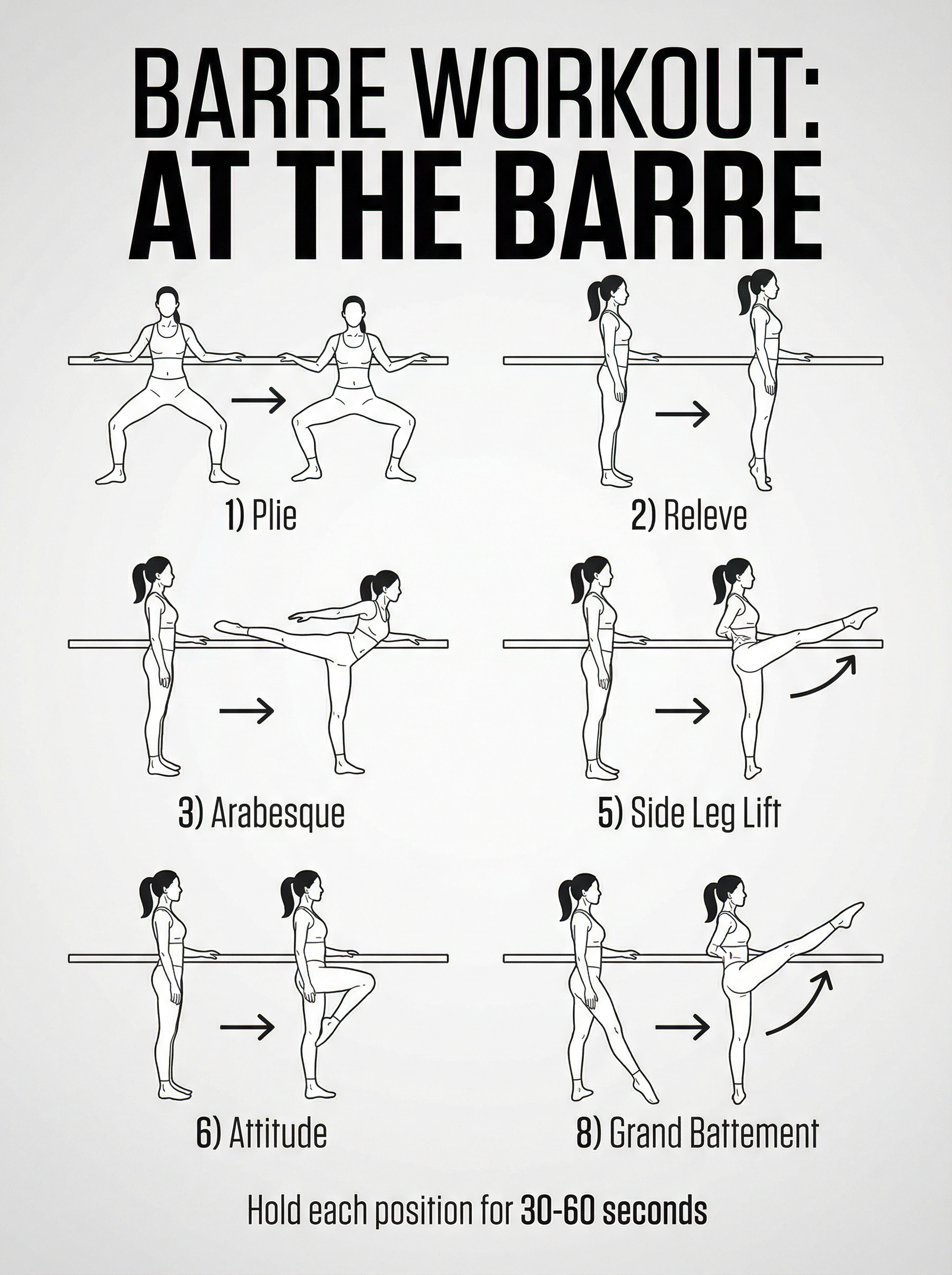
1. At the Barre: Lower Body Sculpting
2. Floor Work: Core and Glute Isolation
3. Center Work: Balance and Grace
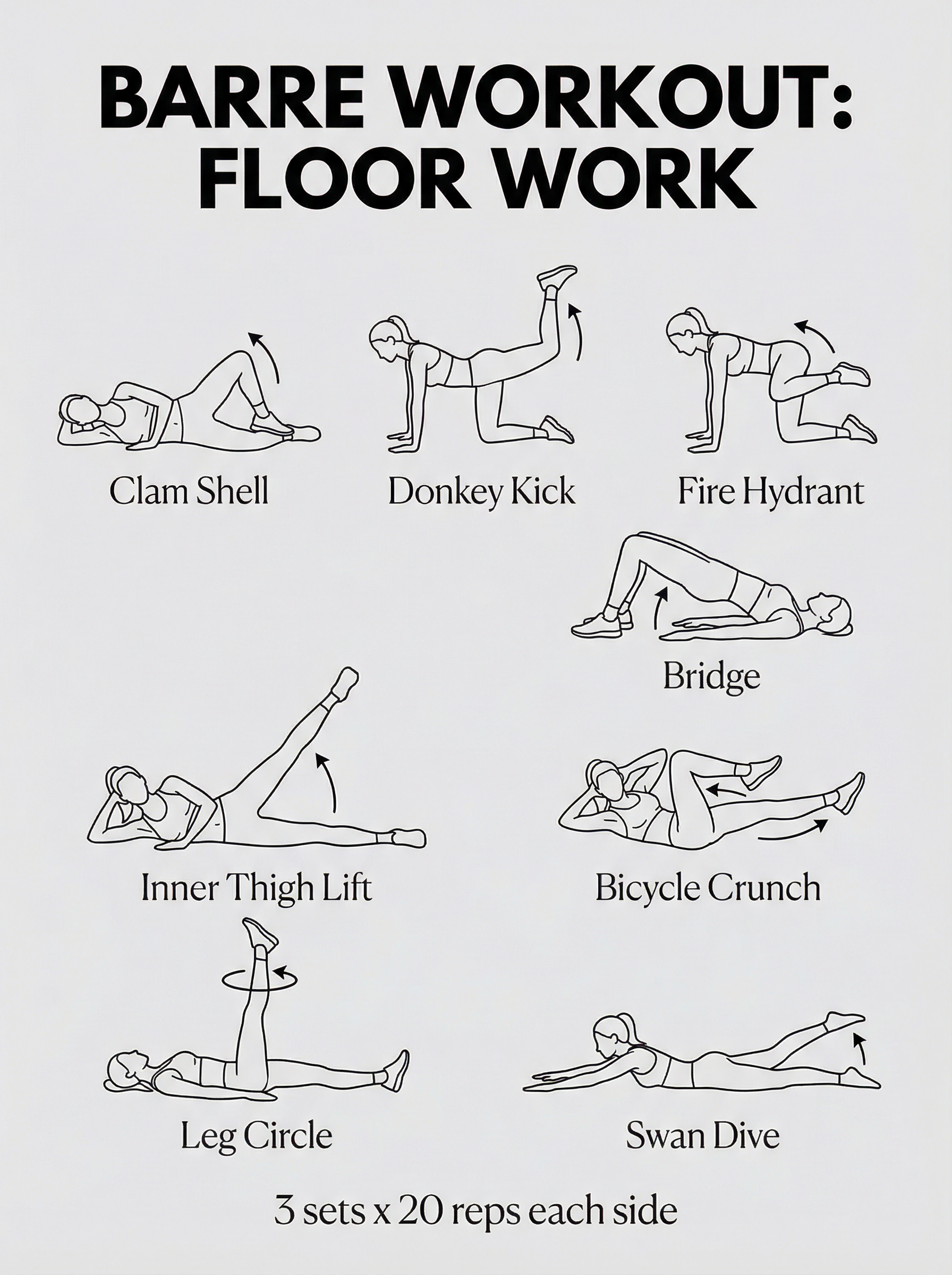
•Standing Oblique Crunch: Stand tall with hands behind your head. Lift one knee out to the side while crunching your torso down to bring your elbow toward the knee.
DOWNLOAD YOUR PDF BARRE ROUTINE HERE !
Conclusion
Workout Plan Printable
DOWNLOAD YOUR ROUTINE HERE !
The Power of the Push/Pull/Legs Split
The 4-Week Master Schedule
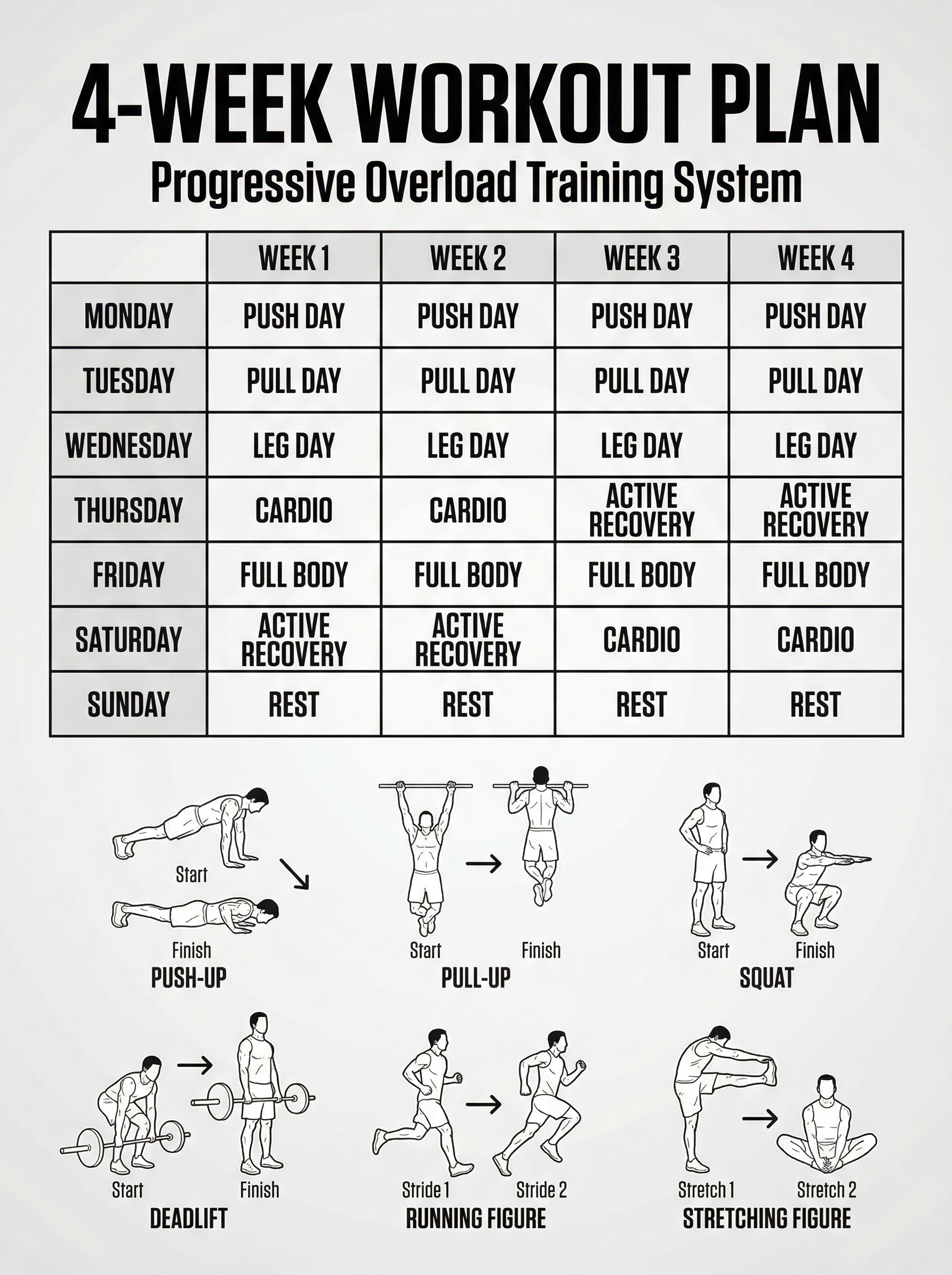
How to follow this schedule:
The plan is designed to be progressive. In Week 1, focus on mastering the form for each exercise. In Weeks 2 and 3, aim to gradually increase the weight you are lifting (progressive overload). In Week 4, you can either push for personal bests or take a slight deload (reduce weight/volume) to allow your body to fully recover before starting a new cycle.
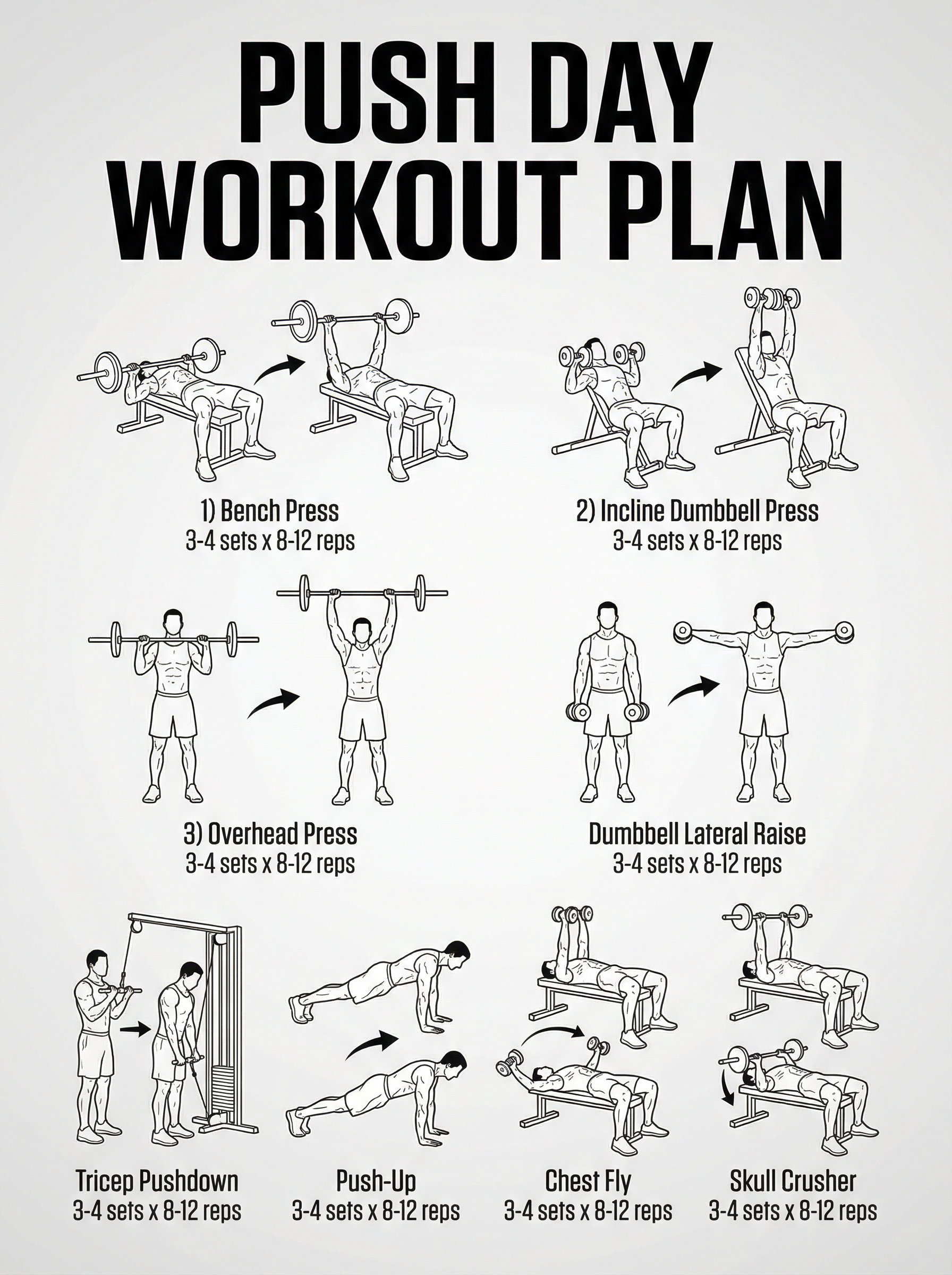
1. Push Day Workout
2. Pull Day and Leg Day Workouts
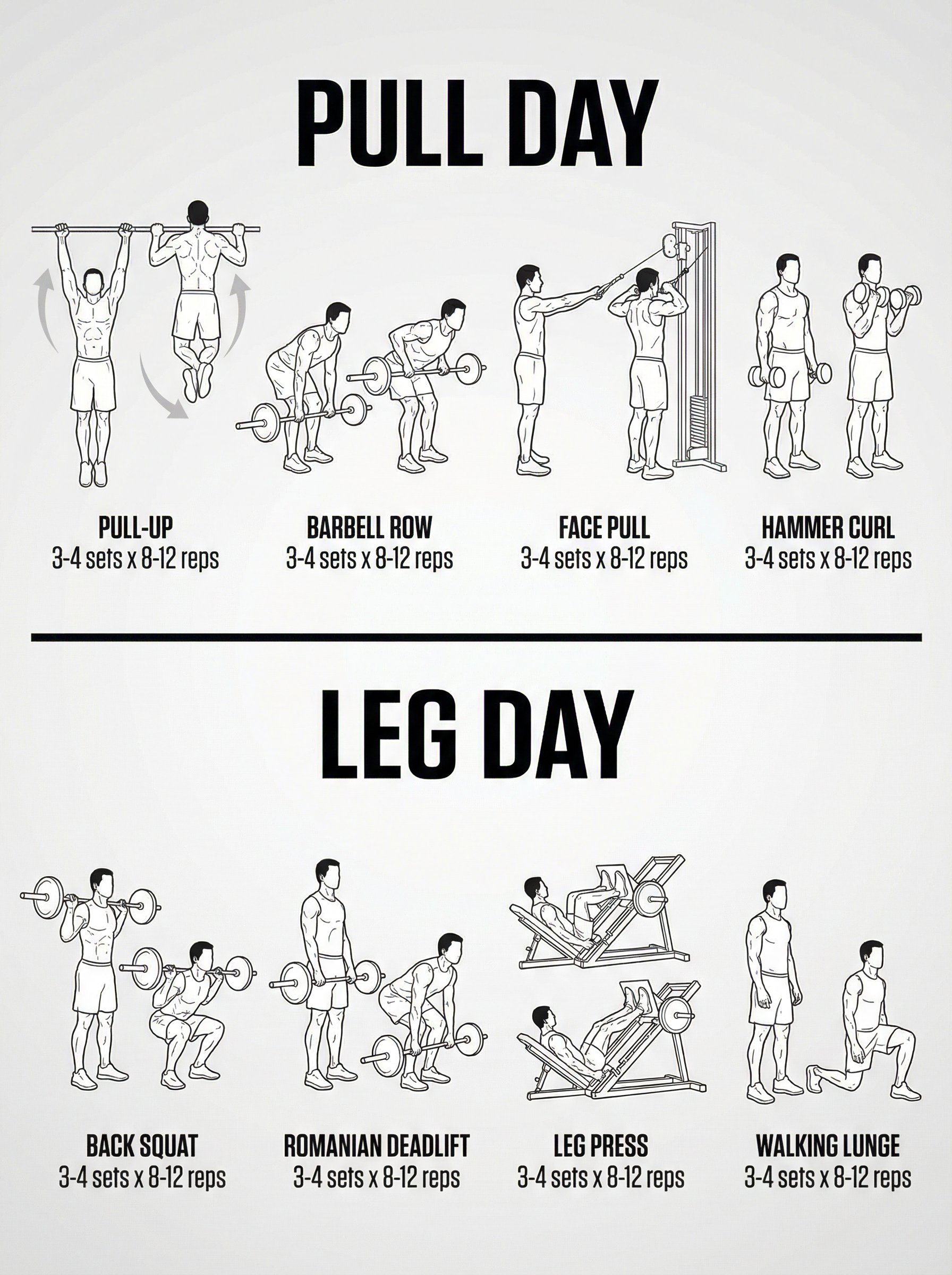
Pull Day Instructions
Leg Day Instructions
•Walking Lunge: Hold dumbbells at your sides. Take a large step forward and lower your hips until both knees are bent at 90 degrees. Push off the front foot to step into the next lunge.
DOWNLOAD YOUR ROUTINE HERE !
Conclusion
Printable Total Gym Workout Guide
DOWNLOAD ROUTINE HERE !
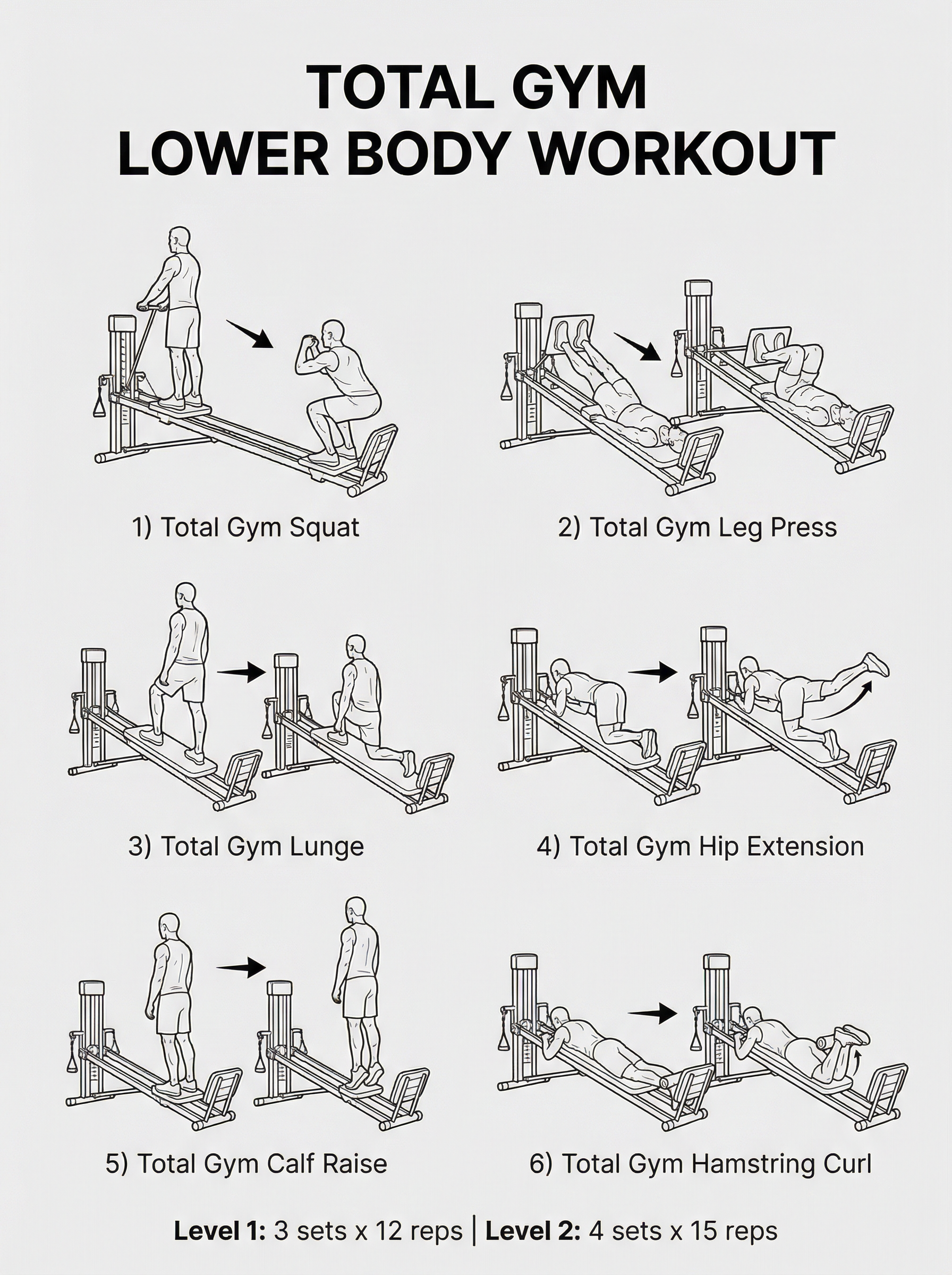
Understanding the Total Gym Mechanics
1. Total Gym Upper Body Workout
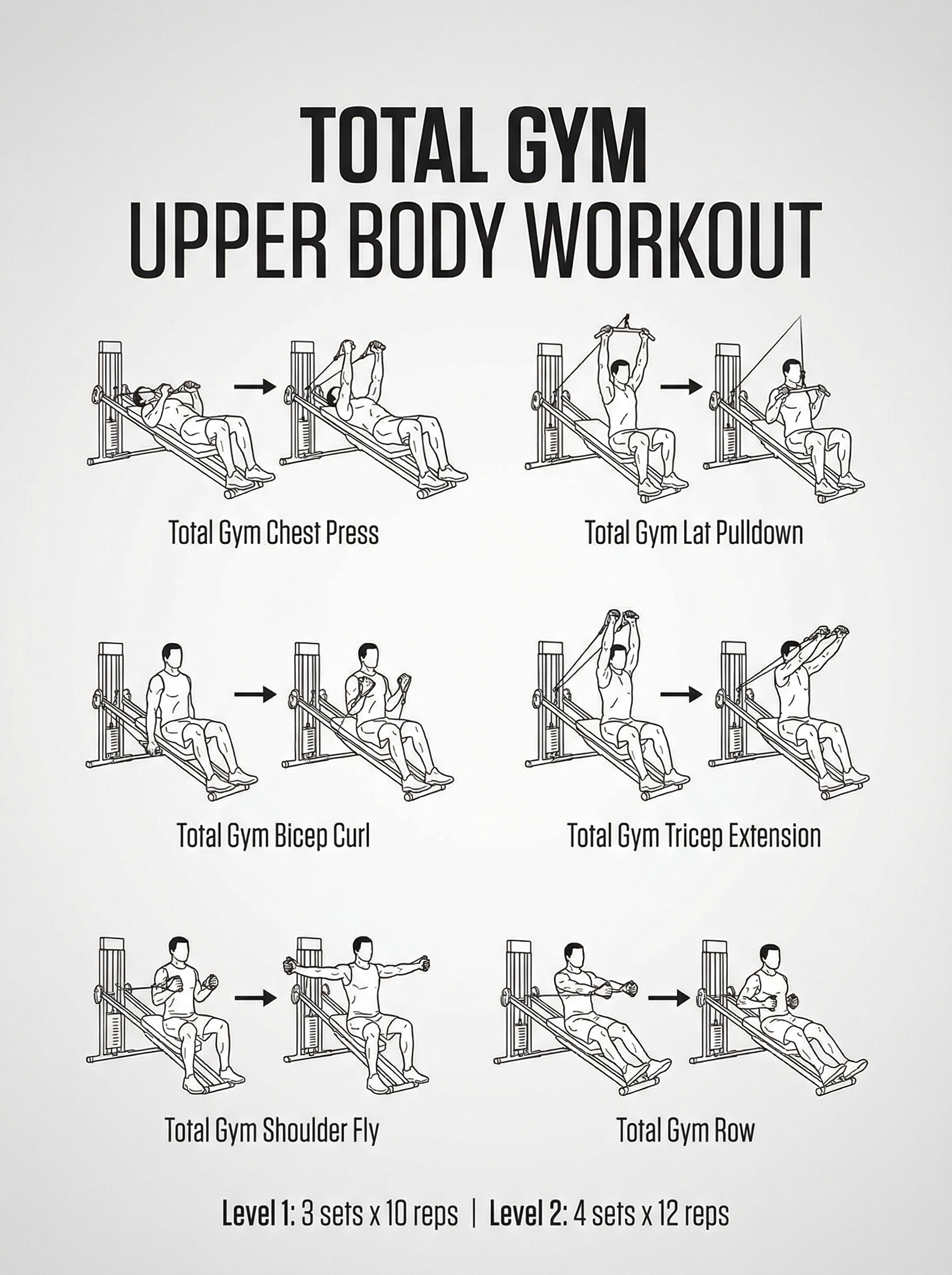
2. Total Gym Lower Body Workout
3. Total Gym Core Workout
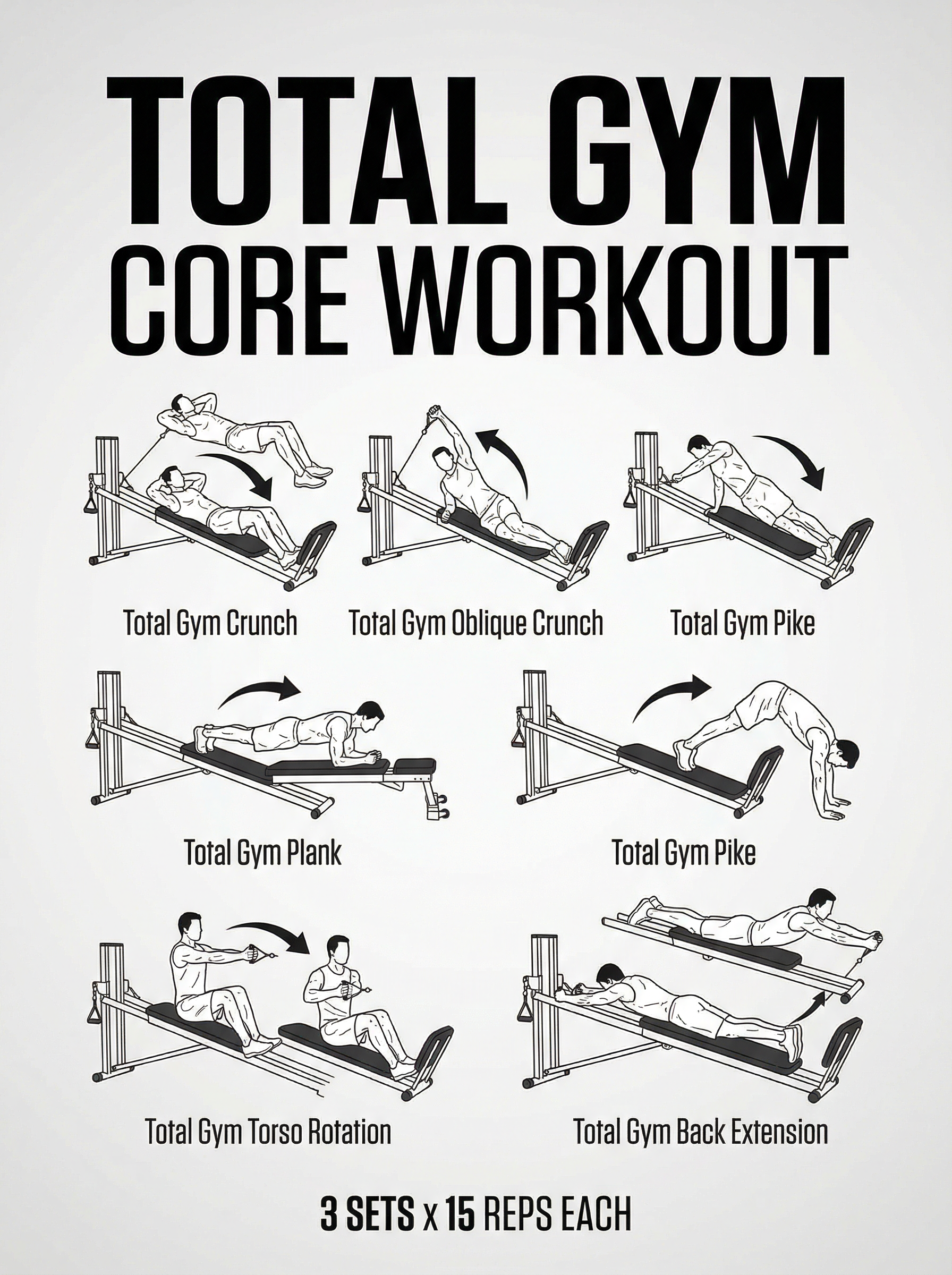
•Total Gym Back Extension: Lie face down on the glideboard facing the tower. Hold the handles and lift your chest off the board by contracting your lower back muscles.
DOWNLOAD ROUTINE HERE !
Conclusion
Printable Workout Log Pinterest: Track Your Fitness Journey
If you have ever scrolled through Pinterest looking for fitness inspiration, you know how motivating a beautifully designed printable workout log pinterest style can be. Tracking your workouts is one of the most effective ways to ensure consistent progress, whether your goal is to build muscle, lose weight, or improve cardiovascular endurance. A well-structured log helps you remember what you did last time, allowing you to apply the principle of progressive overload by increasing weight, reps, or intensity.
In this article, we provide a comprehensive guide to tracking your fitness journey, complete with aesthetic, Pinterest-worthy printable workout logs. We have designed specific trackers for different training styles, including a general weekly log, a strength training tracker, a cardio/HIIT log, and a bodyweight workout tracker. Each section includes a complete routine and a high-quality visual guide to help you stay on track.
DOWNLOAD ROUTINE HERE !
Why You Need a Workout Log
Keeping a workout log is more than just writing down numbers; it is about creating a historical record of your capabilities. When you rely on memory alone, it is easy to plateau because you might accidentally repeat the same weights and reps week after week. A physical, printable log provides immediate visual feedback on your progress.
Furthermore, checking off completed exercises and seeing your numbers increase over time provides a significant psychological boost. It turns abstract fitness goals into concrete, measurable achievements. By using a printable workout log pinterest style, you combine this functional tracking with an aesthetic design that you will actually enjoy looking at and filling out every day.
1. The Weekly Master Log
The weekly master log is your bird’s-eye view of your fitness week. It is perfect for those who like to plan their workouts in advance and track a variety of different exercises across multiple days.
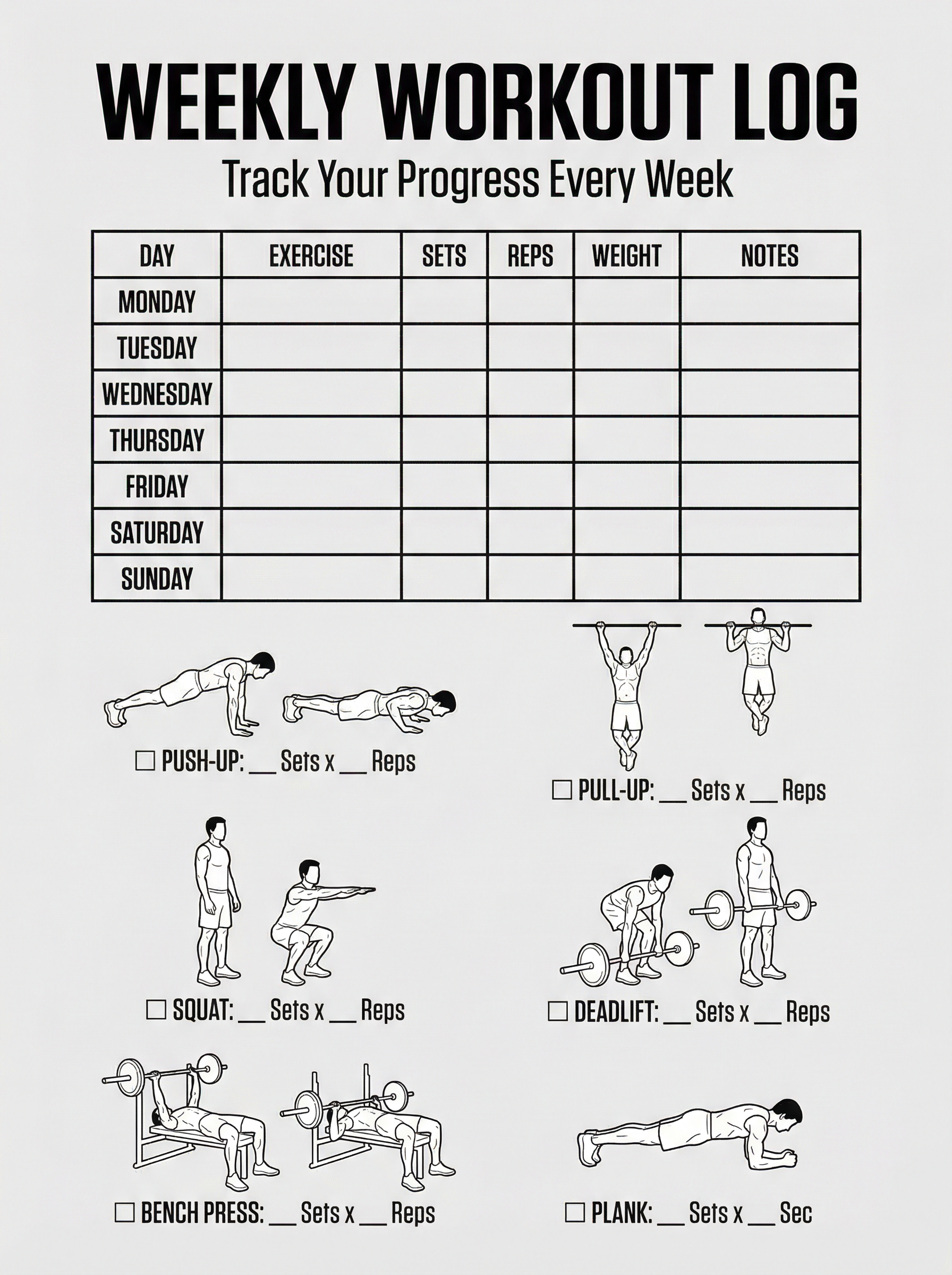
How to use this log: At the start of the week, write down your planned exercises for each day. As you complete them, fill in the actual sets, reps, and weights used. The notes section is crucial for recording how you felt, if an exercise was too easy, or if you experienced any discomfort.
Sample Weekly Routine:
- Monday: Push-Ups (3 sets x 15 reps), Squats (3 sets x 20 reps)
- Tuesday: Pull-Ups (3 sets x 8 reps), Plank (3 sets x 60 seconds)
- Wednesday: Active Recovery (Light Yoga or Walking)
- Thursday: Deadlifts (3 sets x 10 reps), Bench Press (3 sets x 10 reps)
- Friday: Full Body HIIT (20 minutes)
- Saturday: Long Run or Cycling
- Sunday: Rest
2. Strength Training Tracker
For those focused on building muscle and increasing raw power, tracking specific lifts is essential. This log is designed specifically for traditional strength training.
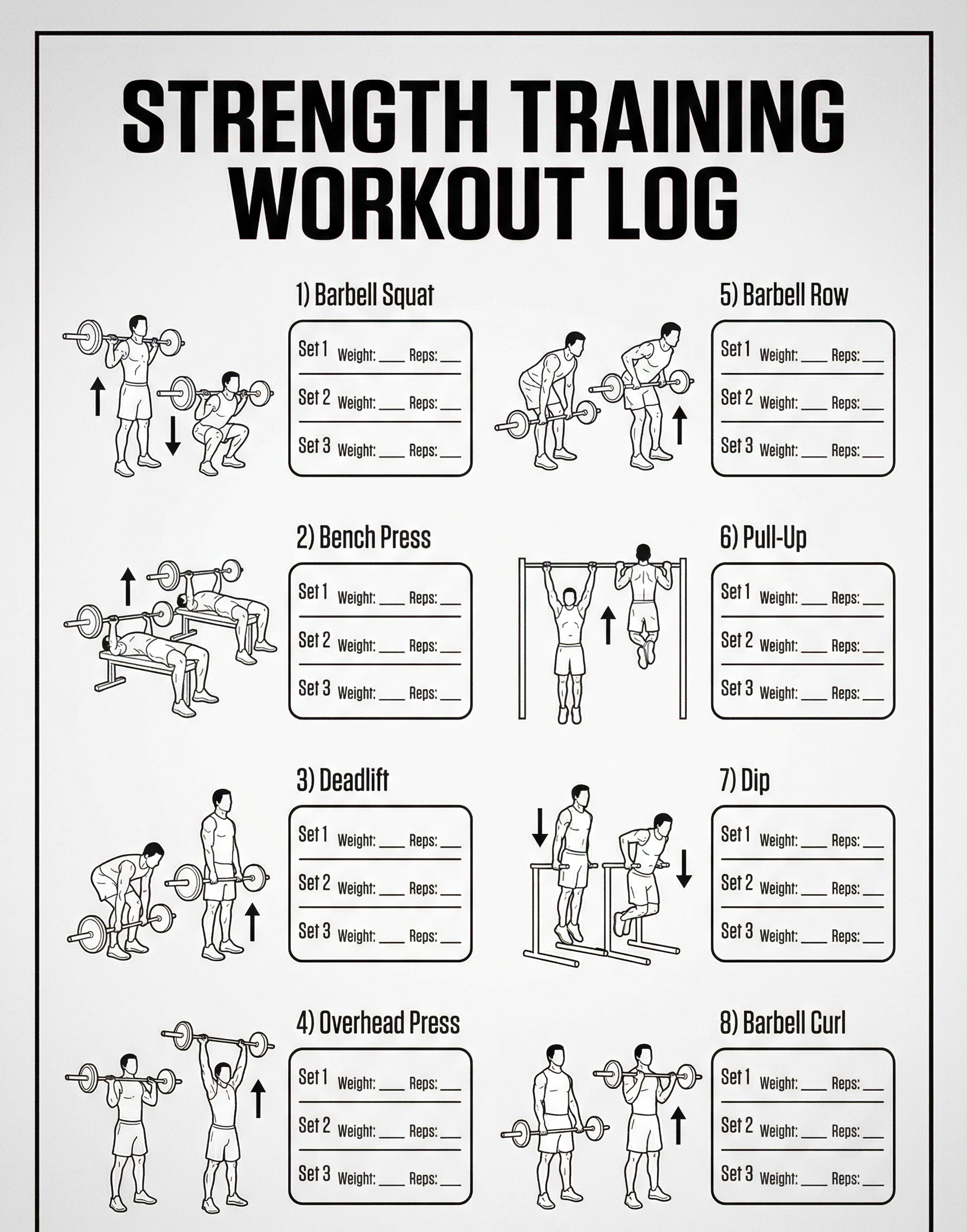
How to use this log: This tracker focuses on the major compound movements. Record the weight and reps for each of your three working sets. Your goal should be to slightly increase the weight or add an extra rep in subsequent weeks.
Strength Routine:
- Barbell Squat: Focus on depth and keeping your chest up.
- Bench Press: Keep your feet planted firmly on the ground.
- Deadlift: Maintain a neutral spine throughout the movement.
- Overhead Press: Brace your core to prevent lower back arching.
- Barbell Row: Pull the bar to your lower chest/upper stomach.
- Pull-Up: Use a full range of motion from a dead hang.
- Dip: Lean slightly forward to target the chest, or stay upright for triceps.
- Barbell Curl: Keep your elbows pinned to your sides.
3. Cardio & HIIT Log
Cardiovascular training and High-Intensity Interval Training (HIIT) require a different tracking approach, focusing on duration, rounds, and rest periods rather than weight.
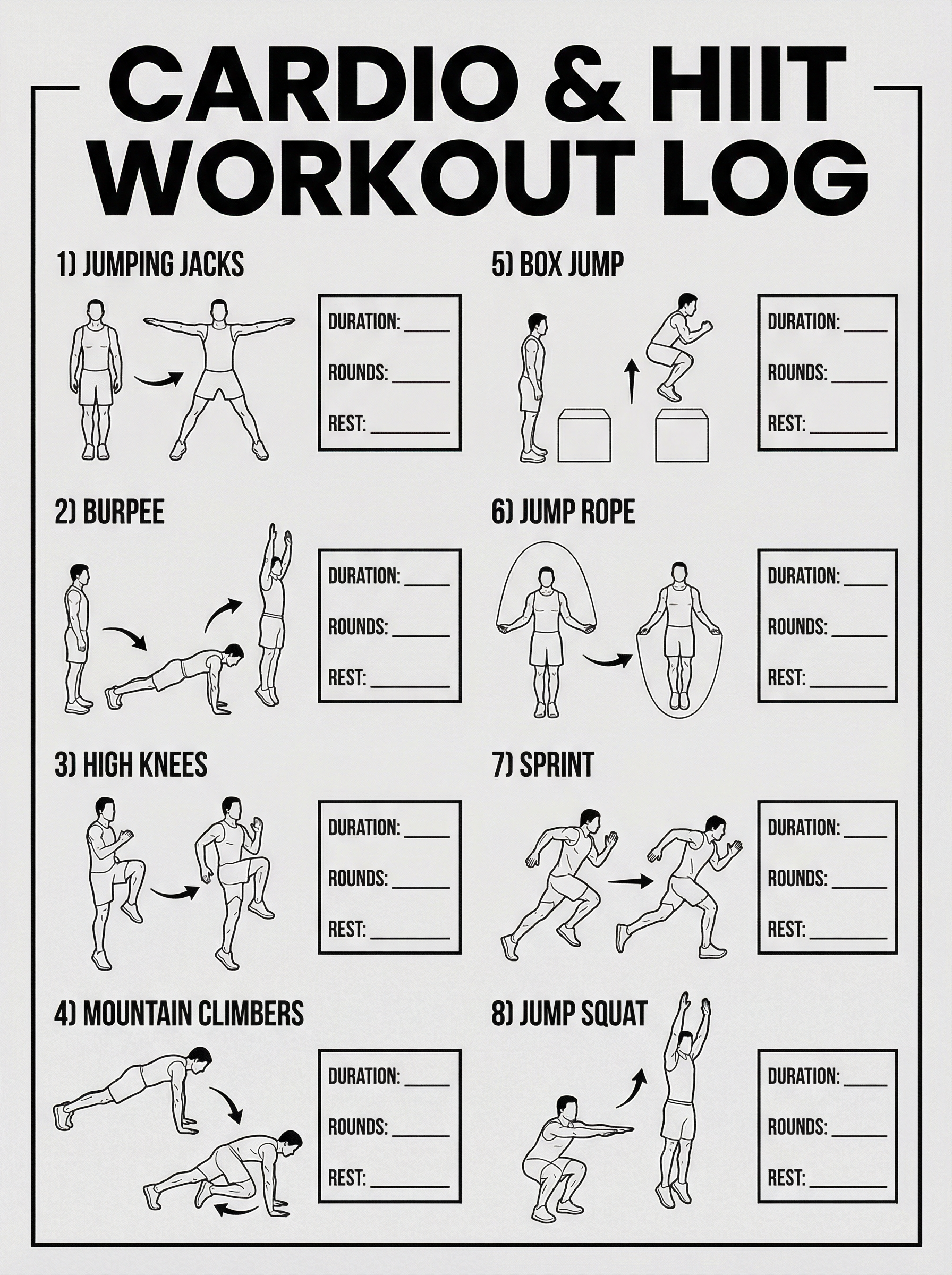
How to use this log: Record the total duration of your intervals, the number of rounds completed, and the rest time taken between rounds. As your fitness improves, aim to increase the duration of the work intervals, decrease the rest time, or add more total rounds.
HIIT Routine (Perform as a circuit):
- Jumping Jacks: 45 seconds work, 15 seconds rest.
- Burpees: 45 seconds work, 15 seconds rest.
- High Knees: 45 seconds work, 15 seconds rest.
- Mountain Climbers: 45 seconds work, 15 seconds rest.
- Box Jumps: 45 seconds work, 15 seconds rest.
- Jump Rope: 45 seconds work, 15 seconds rest.
- Sprints: 45 seconds work, 15 seconds rest.
- Jump Squats: 45 seconds work, 15 seconds rest.
- Complete 3-4 total rounds.
4. Bodyweight Workout Tracker
If you prefer working out at home without equipment, this bodyweight tracker is perfect for you. It focuses on calisthenics movements that build functional strength.
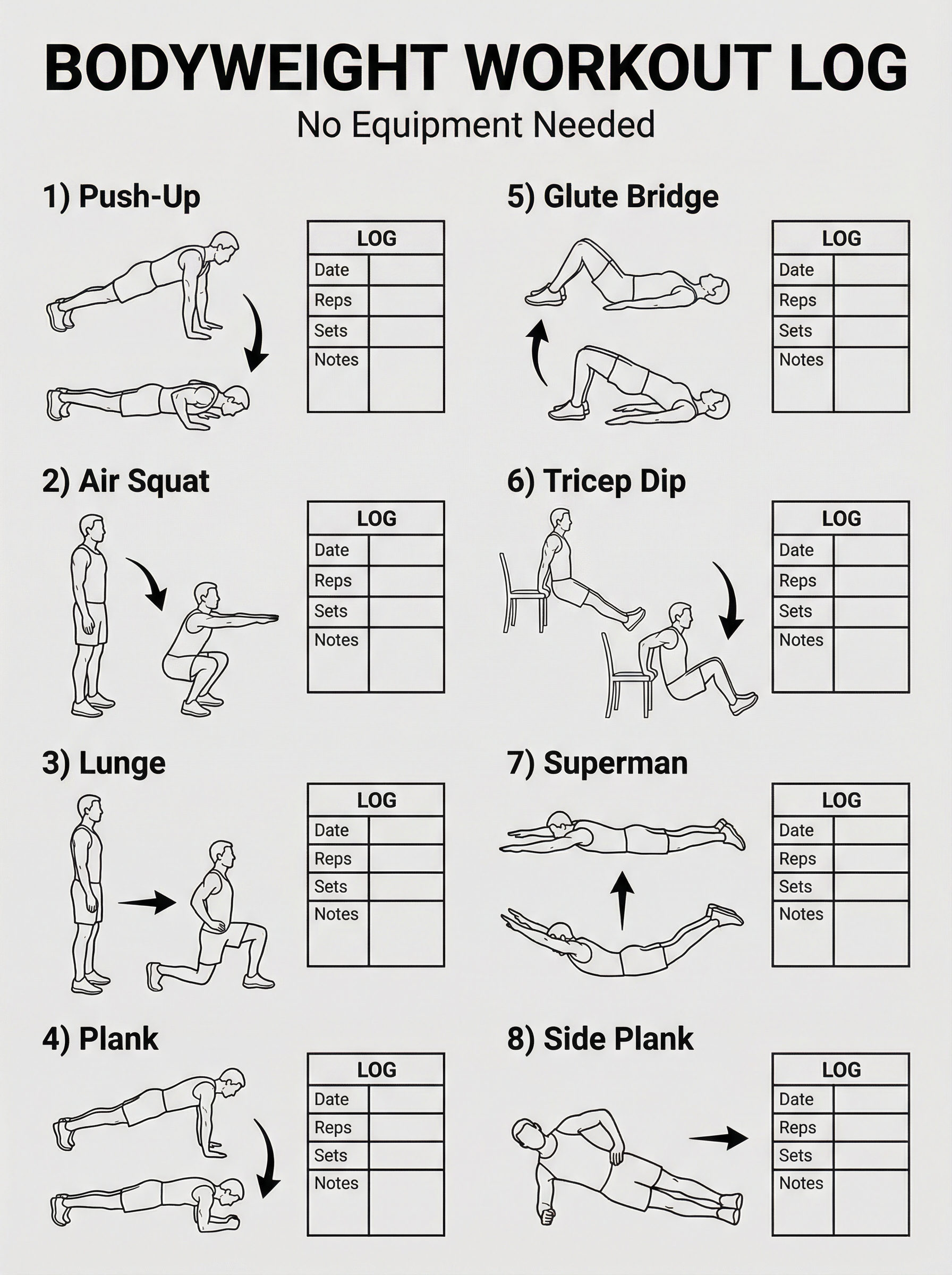
How to use this log: Since you are not adding external weight, your progression will come from increasing reps, adding sets, or improving the quality and tempo of your movements. Use the notes section to track variations (e.g., moving from knee push-ups to standard push-ups).
Bodyweight Routine:
- Push-Up: Keep your body in a straight line from head to heels.
- Air Squat: Push your hips back and down.
- Lunge: Keep your front knee aligned with your ankle.
- Plank: Engage your core and squeeze your glutes.
- Glute Bridge: Drive through your heels and squeeze at the top.
- Tricep Dip: Keep your back close to the chair or bench.
- Superman: Lift your chest and thighs off the floor simultaneously.
- Side Plank: Keep your hips elevated and body straight.
DOWNLOAD ROUTINE HERE !
Conclusion
A beautiful and functional printable workout log pinterest style is a powerful tool in your fitness arsenal. By consistently tracking your workouts using the logs provided in this article, you will have a clear picture of your progress, making it easier to stay motivated and reach your goals. Print these trackers, put them in a binder or on your fridge, and start documenting your success today!
Free Printable Dumbbell Workout Poster: Your Ultimate Guide to Home Fitness
Are you looking for a comprehensive and effective way to build strength at home without investing in bulky equipment? A free printable dumbbell workout poster is the perfect solution for fitness enthusiasts of all levels. Dumbbells are incredibly versatile, allowing you to target every major muscle group while improving balance, coordination, and unilateral strength. Having a visual guide readily available ensures you maintain proper form and stay consistent with your routine.
In this article, we provide a complete dumbbell workout routine designed to maximize your results. Whether you are a beginner looking to establish a solid foundation or an experienced lifter aiming to break through plateaus, this guide offers a structured approach to full-body conditioning. We have included detailed instructions and high-quality illustrations for each exercise, making it easy to follow along and achieve your fitness goals.
Download Printable PDF HERE !
The Benefits of Dumbbell Workouts
Dumbbell training offers numerous advantages over traditional barbell or machine exercises. One of the primary benefits is the promotion of muscular balance. Because each side of your body must work independently to lift the weight, dumbbells help identify and correct strength asymmetries. This unilateral training approach reduces the risk of injury and ensures balanced muscle development.
Furthermore, dumbbell exercises require greater stabilization, engaging your core and stabilizing muscles throughout the movement. This increased muscle activation leads to improved functional strength, which translates to better performance in daily activities and sports. Additionally, dumbbells are space-efficient and cost-effective, making them an ideal choice for home gyms where space and budget may be limited.
Full Body Dumbbell Workout Routine
This comprehensive routine is divided into three sections: Full Body, Upper Body, and Lower Body/Core. You can perform these as a single intense session or split them across different days depending on your fitness level and schedule.
1. Full Body Foundation
The foundation of any good dumbbell routine involves compound movements that engage multiple muscle groups simultaneously. This section focuses on building overall strength and endurance.
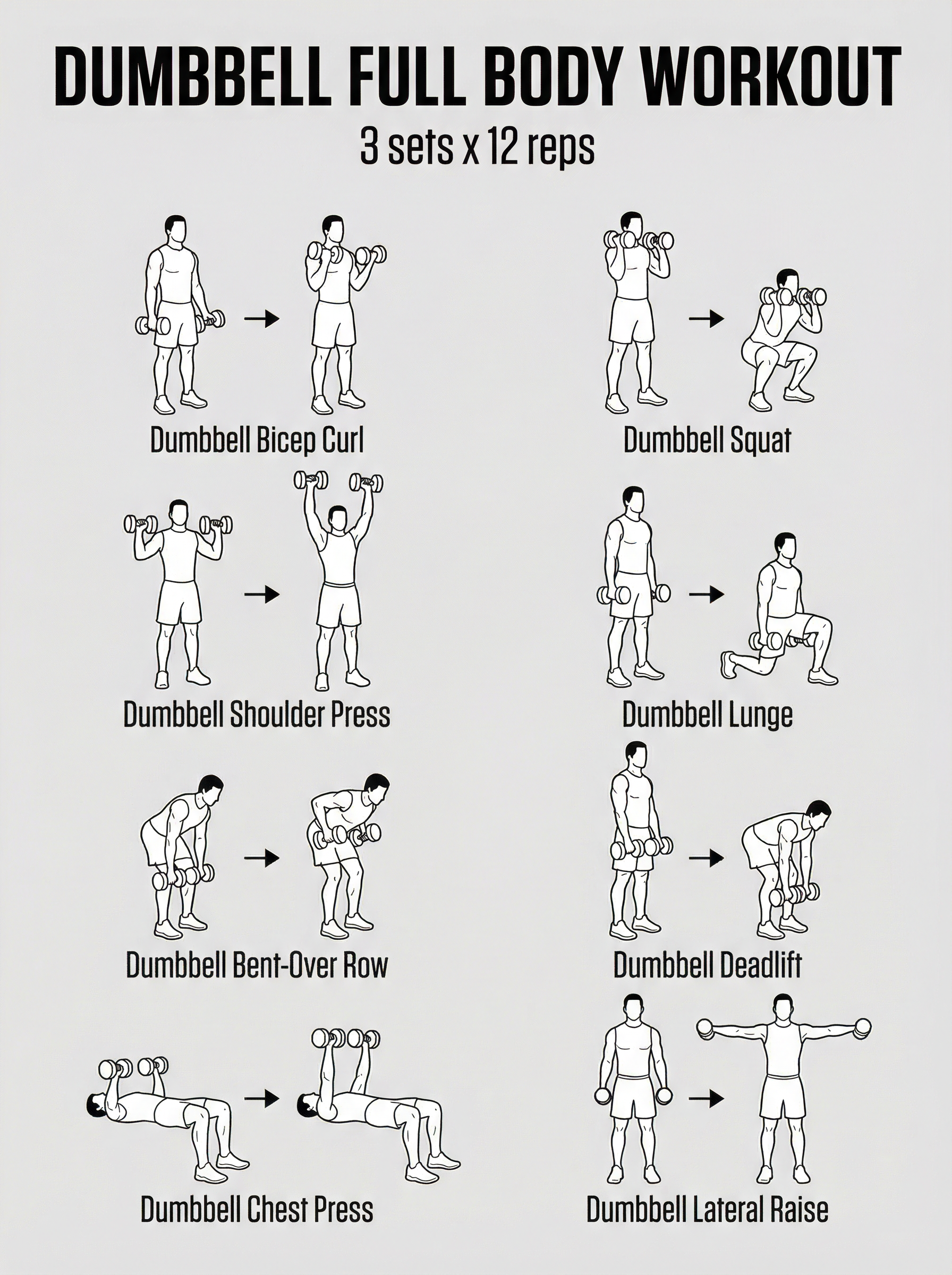
Instructions: Perform 3 sets of 12 repetitions for each exercise. Rest for 60 seconds between sets.
- Dumbbell Bicep Curl: Stand tall with dumbbells at your sides, palms facing forward. Curl the weights toward your shoulders, squeezing your biceps at the top, then slowly lower them back down.
- Dumbbell Squat: Hold dumbbells at your sides or resting on your shoulders. Keep your chest up and lower your hips as if sitting in a chair until your thighs are parallel to the floor. Push through your heels to return to the starting position.
- Dumbbell Shoulder Press: Stand or sit with dumbbells at shoulder height, palms facing forward. Press the weights overhead until your arms are fully extended, then lower them back to shoulder level with control.
- Dumbbell Lunge: Hold dumbbells at your sides. Step forward with one leg and lower your hips until both knees are bent at a 90-degree angle. Push off your front foot to return to the start and alternate legs.
- Dumbbell Bent-Over Row: Hinge at your hips with a slight bend in your knees, holding dumbbells in front of you. Pull the weights toward your torso, squeezing your shoulder blades together, then lower them slowly.
- Dumbbell Deadlift: Stand with feet hip-width apart, holding dumbbells in front of your thighs. Hinge at your hips, keeping your back straight, and lower the weights along your legs until you feel a stretch in your hamstrings. Return to standing.
- Dumbbell Chest Press: Lie on a bench or the floor with dumbbells at chest level. Press the weights straight up until your arms are extended, then lower them back down with control.
- Dumbbell Lateral Raise: Stand tall with dumbbells at your sides. Keeping a slight bend in your elbows, raise the weights out to the sides until they reach shoulder height, then slowly lower them.
2. Upper Body Focus
To specifically target your chest, back, shoulders, and arms, incorporate these upper body isolation and compound exercises.
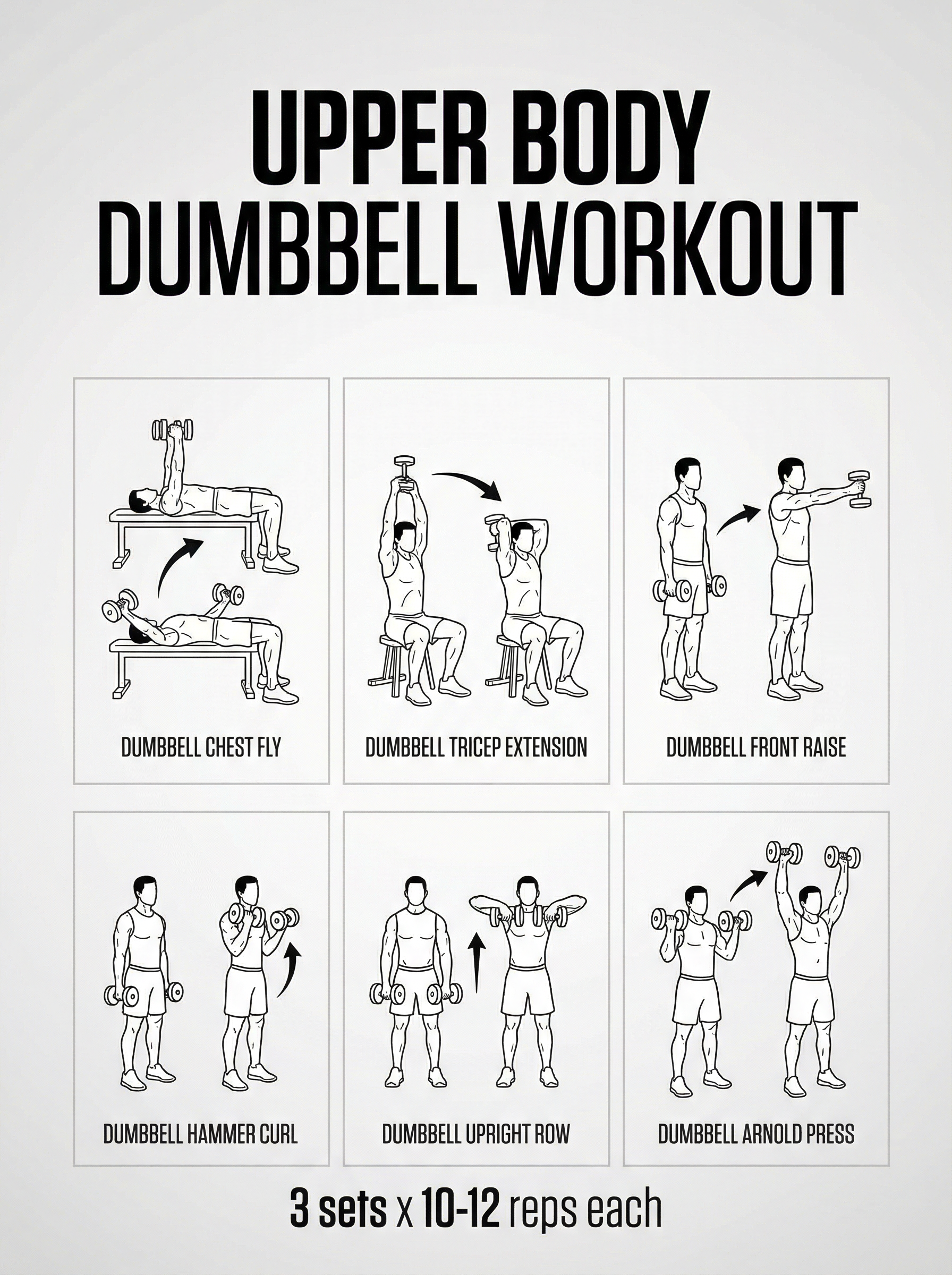
Instructions: Perform 3 sets of 10-12 repetitions for each exercise. Rest for 45-60 seconds between sets.
- Dumbbell Chest Fly: Lie on your back with dumbbells held above your chest, arms slightly bent. Open your arms wide in an arc motion until you feel a stretch in your chest, then bring them back together.
- Dumbbell Tricep Extension: Hold a single dumbbell with both hands overhead. Keeping your elbows pointing forward, lower the weight behind your head, then extend your arms to return to the top.
- Dumbbell Front Raise: Stand with dumbbells in front of your thighs. Raise the weights straight out in front of you until they reach shoulder height, then lower them slowly.
- Dumbbell Hammer Curl: Stand with dumbbells at your sides, palms facing your body. Curl the weights toward your shoulders while maintaining the neutral grip, then lower them back down.
- Dumbbell Upright Row: Hold dumbbells in front of your thighs. Pull the weights straight up toward your chin, leading with your elbows, then lower them with control.
- Dumbbell Arnold Press: Start with dumbbells at shoulder height, palms facing you. As you press the weights overhead, rotate your wrists so your palms face forward at the top. Reverse the motion on the way down.
3. Lower Body and Core Strength
A strong lower body and core are essential for overall stability and power. These exercises will challenge your legs, glutes, and abdominal muscles.
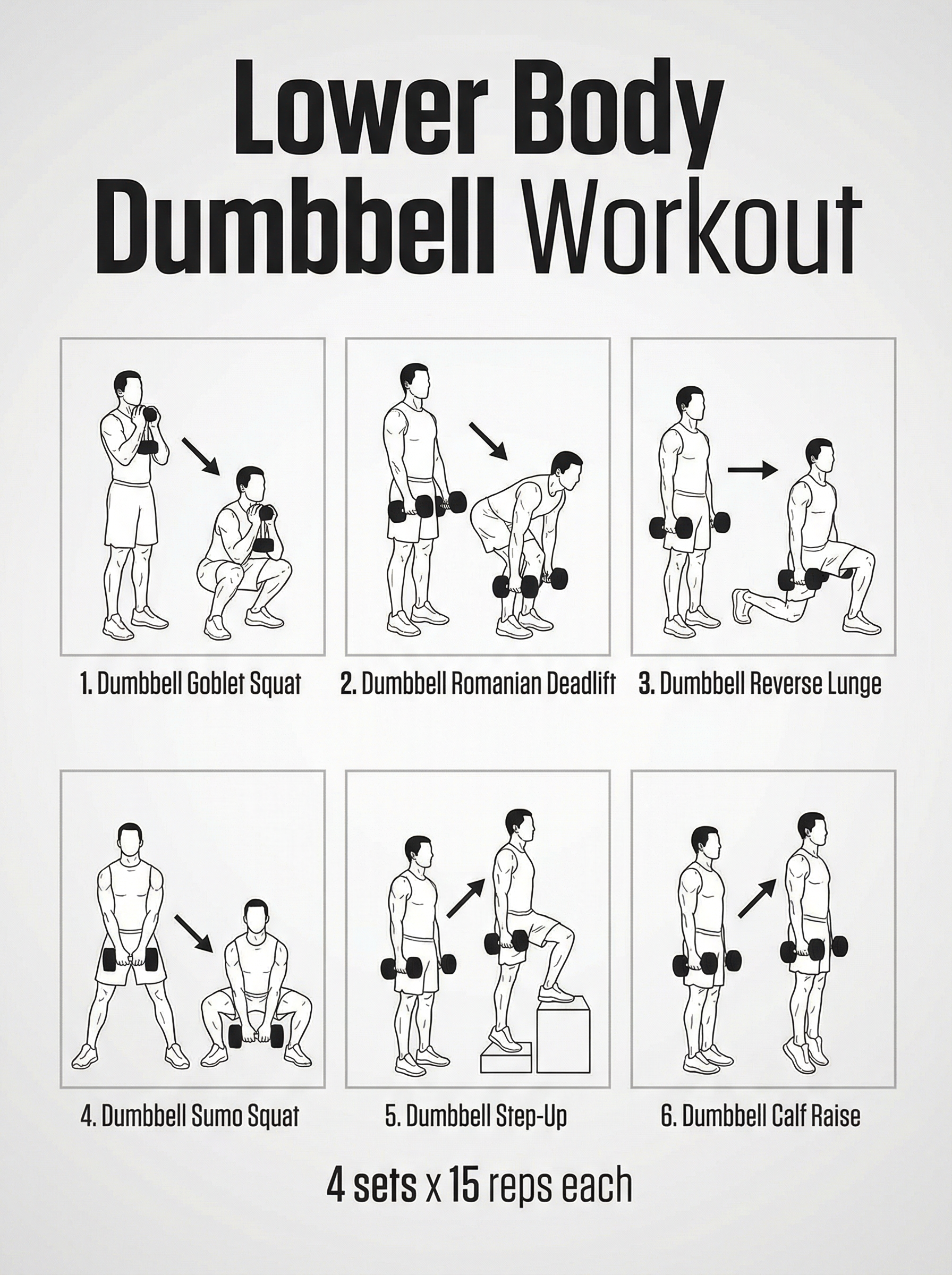
Instructions: Perform 4 sets of 15 repetitions for each exercise. Rest for 60 seconds between sets.
- Dumbbell Goblet Squat: Hold a single dumbbell vertically against your chest. Lower into a deep squat, keeping your chest up and elbows inside your knees, then push back up to standing.
- Dumbbell Romanian Deadlift: Hold dumbbells in front of your thighs. Hinge at your hips, keeping your legs relatively straight, and lower the weights until you feel a deep stretch in your hamstrings. Squeeze your glutes to return to the start.
- Dumbbell Reverse Lunge: Hold dumbbells at your sides. Step backward with one leg and lower your hips until both knees are bent at 90 degrees. Push off your front foot to return to standing and alternate legs.
- Dumbbell Sumo Squat: Stand with a wide stance, toes pointed outward. Hold a single dumbbell between your legs and lower into a squat, keeping your chest up, then push back to the starting position.
- Dumbbell Step-Up: Stand in front of a sturdy box or bench holding dumbbells. Step up with one foot, driving through your heel, and bring the other foot up. Step down carefully and alternate the leading leg.
- Dumbbell Calf Raise: Stand tall holding dumbbells at your sides. Rise up onto the balls of your feet, squeezing your calves at the top, then slowly lower your heels back to the floor.
Core Finisher
Complete your workout with these targeted core exercises to build abdominal strength and stability.
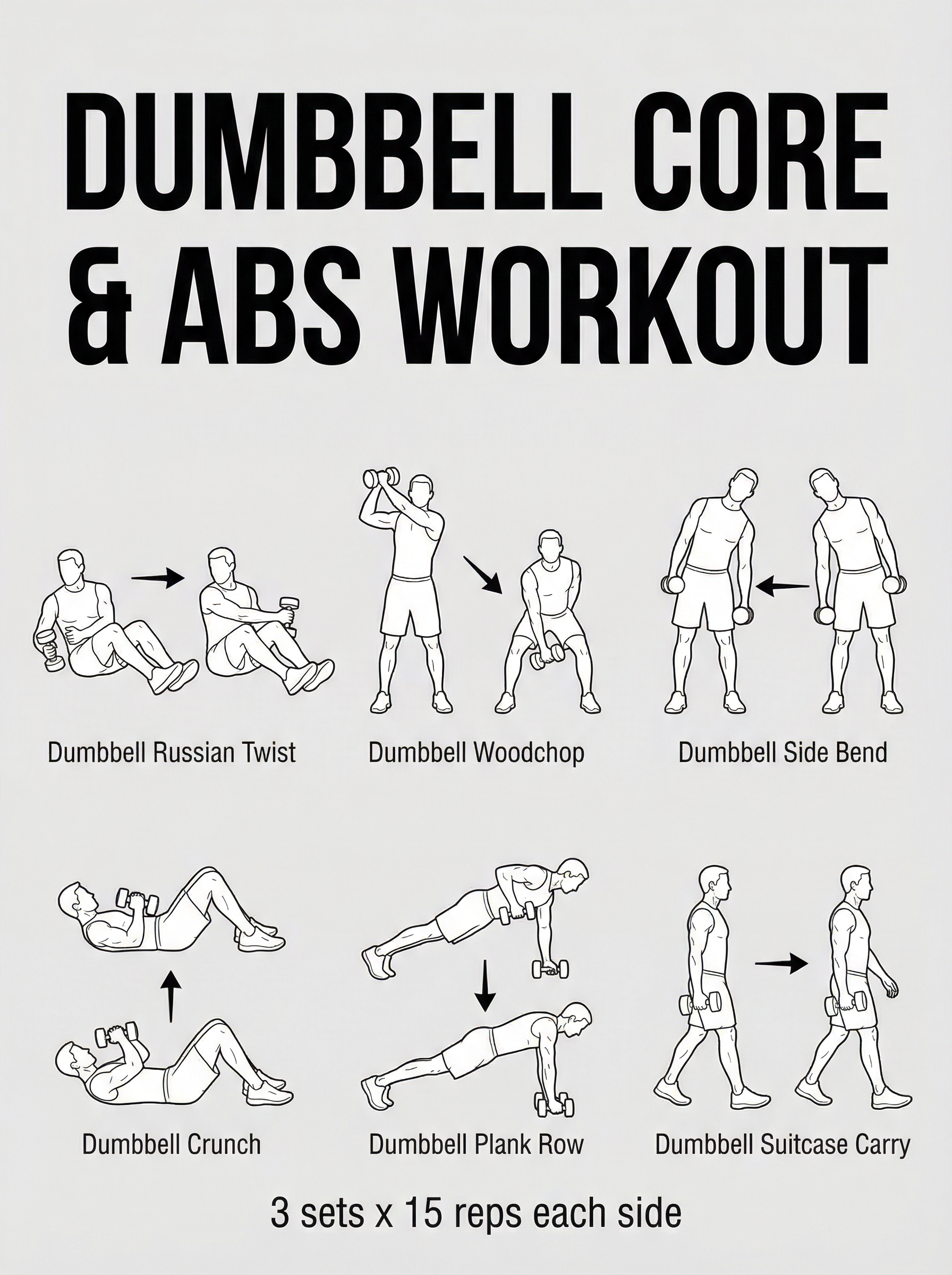
Instructions: Perform 3 sets of 15 repetitions per side for each exercise. Rest for 30-45 seconds between sets.
- Dumbbell Russian Twist: Sit on the floor with your knees bent and feet slightly elevated. Hold a dumbbell with both hands and twist your torso from side to side, touching the weight to the floor on each side.
- Dumbbell Woodchop: Stand with feet shoulder-width apart. Hold a dumbbell with both hands above one shoulder, then diagonally chop down across your body toward the opposite knee. Repeat on the other side.
- Dumbbell Side Bend: Stand holding a dumbbell in one hand. Keeping your torso straight, bend sideways toward the side holding the weight, then use your obliques to pull yourself back upright. Repeat on both sides.
- Dumbbell Crunch: Lie on your back with knees bent. Hold a dumbbell across your chest and perform a crunch, lifting your shoulder blades off the floor while squeezing your abs.
- Dumbbell Plank Row: Start in a high plank position holding dumbbells. Keeping your core tight and hips stable, row one dumbbell up to your side, then lower it and repeat on the other side.
- Dumbbell Suitcase Carry: Hold a heavy dumbbell in one hand and walk for a set distance or time. Keep your torso perfectly upright, resisting the urge to lean toward the weight. Switch sides and repeat.
Download Printable PDF HERE !
Conclusion
Incorporating a free printable dumbbell workout poster into your fitness routine is an excellent way to stay organized, motivated, and consistent. By following the structured exercises outlined in this guide, you can effectively build muscle, increase strength, and improve your overall fitness level from the comfort of your home. Remember to prioritize proper form over heavy weights, and always listen to your body to prevent injury. Download or print this guide, grab your dumbbells, and start transforming your physique today!